30 Days/17: Animals react to secret sounds from plants, say scientists
Listen to the sounds three different plants might make if they were stressed
Animals react to sounds being made by plants, new research suggests, opening up the possibility that an invisible ecosystem might exist between them.
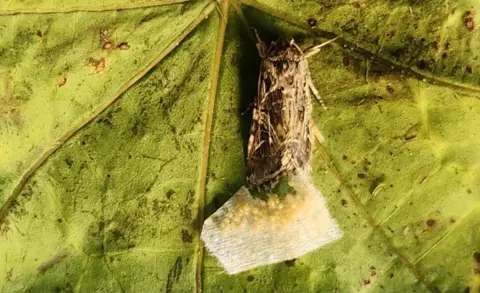
In the first ever such evidence, a team at Tel Aviv University found that female moths avoided laying their eggs on tomato plants if they made noises they associated with distress, indicating that they may be unhealthy.
The team was the first to show two years ago that plants scream when they are distressed or unhealthy.
The sounds are outside the range of human hearing, but can be perceived by many insects, bats and some mammals.
"This is the first demonstration ever of an animal responding to sounds produced by a plant," said Prof Yossi Yovel of Tel Aviv University.
"This is speculation at this stage, but it could be that all sorts of animals will make decisions based on the sounds they hear from plants, such as whether to pollinate or hide inside them or eat the plant."
The researchers did a series of carefully controlled experiments to ensure that the moths were responding to the sound and not the appearance of the plants.
They will now investigate the sounds different plants make and whether other species make decisions based on them.
"You can think that there could be many complicated interactions, and this is the first step," says Prof Yovel.
Another area of investigation is whether plants can pass information to each other through sound and act in response, such as conserving their water in drought conditions, according to Prof Lilach Hadany, also of Tel Aviv University.
"This is an exciting question," she told BBC News.
"If a plant is stressed the organism most concerned about it is other plants and they can respond in many ways."
 TAU
TAUThe researchers stress that plants are not sentient. The sounds are produced through physical effects caused by a change in their local conditions. What today's discovery shows is that these sounds can be useful to other animals, and possibly plants, able to perceive these sounds.
If that is the case, then plants and animals have coevolved the ability to produce and listen to the sounds for their mutual benefit, according to Prof Hadany.
"Plants could evolve to make more sounds or louder ones if they were of benefit to it and the hearing of animals may evolve accordingly so they can take in this huge amount of information.
"This is a vast, unexplored field - an entire world waiting to be discovered."
In the experiment the researchers focused on female moths, which typically lay their eggs on tomato plants so that the larvae can feed on them once hatched.
The assumption was that the moths seek the best possible site to lay their eggs - a healthy plant that can properly nourish the larvae. So, when the plant signals that it is dehydrated and under stress, the question was whether the moths would heed the warning and avoid laying eggs on it?
The answer was that they didn't lay eggs, because of the sound the plants were producing.
The research has been published in the journal eLife.
Source: https://www.bbc.com/news/articles/c8e4860n9rpo
Vocabulary:
invisible /ɪnˈvɪzəbl/ that cannot be been
distress /dɪˈstres/ a feeling of great worry or unhappiness; great mental pain
perceive /pəˈsiːv/ to understand or think of somebody/something in a particular way
pollinate /ˈpɒləneɪt/ pollinate something to put pollen into a flower or plant so that it produces seeds
moth /mɒθ/ a flying insect with a long thin body and four large wings, like a butterfly, but less brightly coloured. Moths fly mainly at night and are attracted to bright lights.
indicate /ˈɪndɪkeɪt/ to show that something is true or exists
sentient /ˈsentiənt/ able to see or feel things through the senses
evolve /ɪˈvɒlv/
mutual /ˈmjuːtʃuəl/
evolve
vast /vɑːst/ extremely large in area, size, amount, etc.
assumption /əˈsʌmpʃn/ a belief or feeling that something is true or that something will happen, although there is no proof
nourish /ˈnʌrɪʃ/ nourish somebody/something to keep a person, an animal or a plant alive and healthy with food, etc.
Translate:
Animals react to sounds being made by plants, new research suggests, opening up the possibility that an invisible ecosystem might exist between them.
Nghiên cứu mới cho thấy động vật phản ứng với âm thanh do thực vật tạo ra, mở ra khả năng tồn tại một hệ sinh thái vô hình giữa chúng.
In the first ever such evidence, a team at Tel Aviv University found that female moths avoided laying their eggs on tomato plants if they made noises they associated with distress, indicating that they may be unhealthy.
Trong bằng chứng đầu tiên như vậy, một nhóm nghiên cứu tại Đại học Tel Aviv phát hiện ra rằng bướm đêm cái tránh đẻ trứng trên cây cà chua nếu chúng phát ra tiếng động khiến chúng liên tưởng đến sự đau khổ, cho thấy rằng chúng có thể không khỏe mạnh.
The team was the first to show two years ago that plants scream when they are distressed or unhealthy.
Nhóm nghiên cứu này là nhóm đầu tiên chứng minh được rằng thực vật sẽ kêu lên khi chúng gặp khó khăn hoặc không khỏe mạnh.
The sounds are outside the range of human hearing, but can be perceived by many insects, bats and some mammals.
Những âm thanh này nằm ngoài phạm vi thính giác của con người, nhưng có thể được nhiều loài côn trùng, dơi và một số loài động vật có vú cảm nhận được.
"This is the first demonstration ever of an animal responding to sounds produced by a plant," said Prof Yossi Yovel of Tel Aviv University.
"Đây là lần đầu tiên một loài động vật phản ứng với âm thanh do thực vật tạo ra", Giáo sư Yossi Yovel của Đại học Tel Aviv cho biết.
"This is speculation at this stage, but it could be that all sorts of animals will make decisions based on the sounds they hear from plants, such as whether to pollinate or hide inside them or eat the plant."
"Đây chỉ là suy đoán ở giai đoạn này, nhưng có thể mọi loài động vật sẽ đưa ra quyết định dựa trên âm thanh chúng nghe được từ thực vật, chẳng hạn như việc thụ phấn hay ẩn náu bên trong thực vật hoặc ăn thực vật."
The researchers did a series of carefully controlled experiments to ensure that the moths were responding to the sound and not the appearance of the plants.
Các nhà nghiên cứu đã thực hiện một loạt các thí nghiệm được kiểm soát cẩn thận để đảm bảo rằng bướm đêm phản ứng với âm thanh chứ không phải hình dáng của cây.
They will now investigate the sounds different plants make and whether other species make decisions based on them.
Bây giờ, các em sẽ tìm hiểu âm thanh mà các loài thực vật khác nhau tạo ra và liệu các loài khác có đưa ra quyết định dựa trên âm thanh đó hay không.
"You can think that there could be many complicated interactions, and this is the first step," says Prof Yovel.
Another area of investigation is whether plants can pass information to each other through sound and act in response, such as conserving their water in drought conditions, according to Prof Lilach Hadany, also of Tel Aviv University.
"Bạn có thể nghĩ rằng có thể có nhiều tương tác phức tạp, và đây là bước đầu tiên", Giáo sư Yovel nói.
Một lĩnh vực nghiên cứu khác là liệu thực vật có thể truyền thông tin cho nhau thông qua âm thanh và phản ứng lại hay không, chẳng hạn như bảo tồn nước trong điều kiện hạn hán, theo Giáo sư Lilach Hadany, cũng thuộc Đại học Tel Aviv.
"This is an exciting question," she told BBC News.
"If a plant is stressed the organism most concerned about it is other plants and they can respond in many ways."
"Đây là một câu hỏi thú vị", bà nói với BBC News.
"Nếu một cây bị căng thẳng, sinh vật quan tâm nhất đến nó chính là các cây khác và chúng có thể phản ứng theo nhiều cách."
The researchers stress that plants are not sentient. The sounds are produced through physical effects caused by a change in their local conditions. What today's discovery shows is that these sounds can be useful to other animals, and possibly plants, able to perceive these sounds.
Các nhà nghiên cứu nhấn mạnh rằng thực vật không có tri giác. Âm thanh được tạo ra thông qua các hiệu ứng vật lý do sự thay đổi điều kiện sống tại địa phương. Khám phá hôm nay cho thấy những âm thanh này có thể hữu ích cho các loài động vật khác, và có thể cả thực vật, những loài có khả năng cảm nhận những âm thanh này.
If that is the case, then plants and animals have coevolved the ability to produce and listen to the sounds for their mutual benefit, according to Prof Hadany.
Theo Giáo sư Hadany, nếu đúng như vậy thì thực vật và động vật đã cùng tiến hóa khả năng tạo ra và lắng nghe âm thanh để cùng có lợi.
"Plants could evolve to make more sounds or louder ones if they were of benefit to it and the hearing of animals may evolve accordingly so they can take in this huge amount of information.
"Thực vật có thể tiến hóa để tạo ra nhiều âm thanh hơn hoặc âm thanh to hơn nếu chúng có lợi cho thực vật và thính giác của động vật có thể tiến hóa tương ứng để chúng có thể tiếp nhận lượng thông tin khổng lồ này.
"This is a vast, unexplored field - an entire world waiting to be discovered."
In the experiment the researchers focused on female moths, which typically lay their eggs on tomato plants so that the larvae can feed on them once hatched.
"Đây là một lĩnh vực rộng lớn, chưa được khám phá - cả một thế giới đang chờ được khám phá."
Trong thí nghiệm, các nhà nghiên cứu tập trung vào bướm đêm cái, loài thường đẻ trứng trên cây cà chua để ấu trùng có thể ăn trứng sau khi nở.
The assumption was that the moths seek the best possible site to lay their eggs - a healthy plant that can properly nourish the larvae. So, when the plant signals that it is dehydrated and under stress, the question was whether the moths would heed the warning and avoid laying eggs on it?
Giả định được đưa ra là bướm đêm tìm kiếm vị trí tốt nhất có thể để đẻ trứng - một cây khỏe mạnh có thể nuôi dưỡng ấu trùng một cách đầy đủ. Vậy nên, khi cây báo hiệu rằng nó bị mất nước và căng thẳng, câu hỏi đặt ra là liệu bướm đêm có chú ý đến cảnh báo và tránh đẻ trứng trên đó không?
The answer was that they didn't lay eggs, because of the sound the plants were producing.
The research has been published in the journal eLife.
Câu trả lời là chúng không đẻ trứng, vì âm thanh mà cây tạo ra.
Nghiên cứu này đã được công bố trên tạp chí eLife.


Nhận xét
Đăng nhận xét